Best Alaska Experiences: What to Book and What to Explore Independently
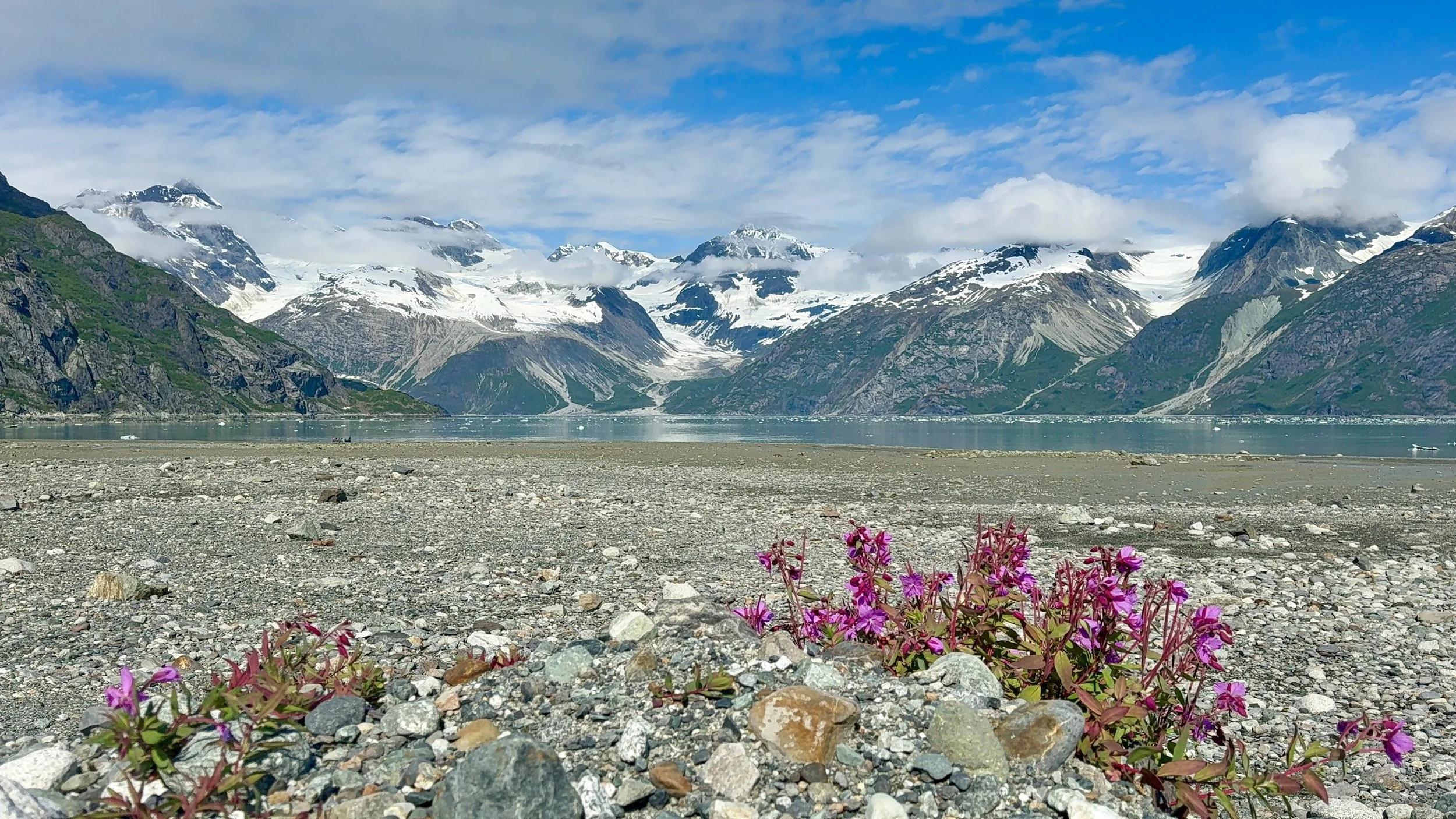
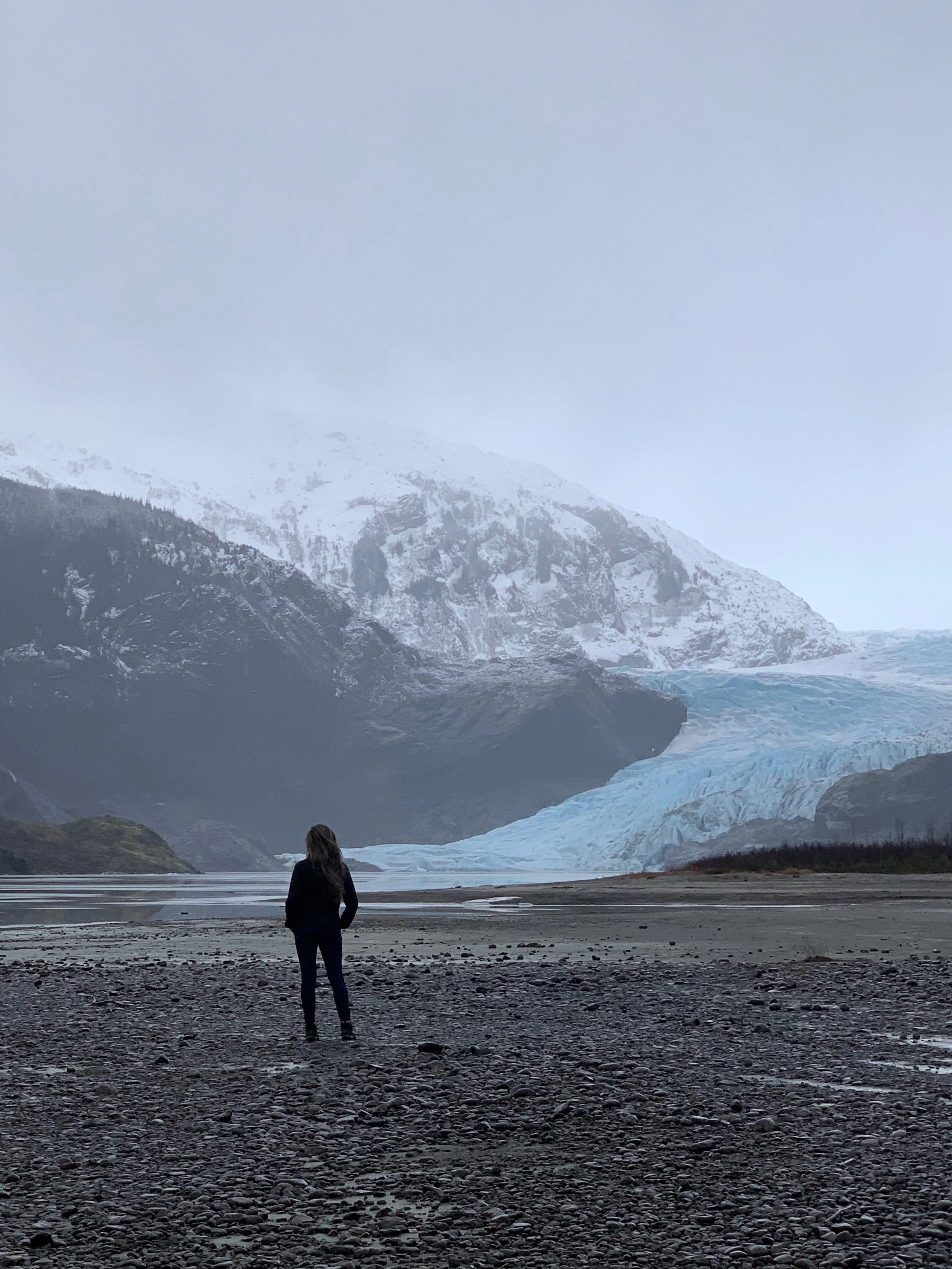
I took this image while standing in Glacier Bay during low-tide - I could not get over the view. It was breathtaking and the scale of Alaska around me was hard to capture
Some of the best days in Alaska begin with a reservation.
You step onto a small boat before the harbor has fully awakened. You climb into a floatplane bound for a place the road system will never reach. You board a train that rises from sea level into the mountains, or settle into a park bus that will carry you beyond the point where private vehicles must turn around.
Other days are better with less structure. You follow a forest trail until the trees open toward the water. You walk through a town slowly enough to notice the working harbor behind the visitor facing streets. You stay beside a glacier longer than a group schedule might allow because the light has changed and you are not ready to leave.
Both kinds of days belong in a thoughtful Alaska trip.
The question is not whether tours are good or whether independent travel is better. The more useful question is what a booking makes possible. In Alaska, the right experience may provide access to remote country, safe transportation, specialized equipment, local knowledge, or enough time in the landscape to understand what you came to see. In other places, adding a tour may simply add structure to something you could experience more meaningfully on your own.
I live in Juneau, where this distinction is part of everyday life. Roads reach only a small portion of the surrounding landscape. The water, weather, terrain, and wildlife all shape where you can go and how you get there. Over time, I have learned to spend money where it takes me deeper, then protect enough open time to notice where I am.
This is not an exhaustive list of everything worth doing in Alaska. It is a guide to the experiences I know well enough to interpret, and a framework you can use throughout your trip.
The quick answer
For most first trips to Alaska, I would plan three things:
One experience that gets you onto the water.
One experience that takes you deeper into the landscape.
One destination that you leave relatively open for walking, hiking, museums, local food, and whatever catches your attention.
That might mean booking whale watching in Juneau, reserving park transportation in Denali, and leaving much of Sitka open. It could mean investing in a remote bear viewing day, then exploring Juneau trails and the Mendenhall Glacier area independently.
The exact combination matters less than the balance.
What makes an Alaska experience worth booking
I would spend more when a booking changes what is possible.
Sometimes that means access. A boat, floatplane, train, or park bus can take you into parts of Alaska that you simply cannot reach from the road.
Sometimes it is knowledge. A strong naturalist, captain, fishing guide, or cultural interpreter can change the way you understand what you are seeing.
In other cases, the value is equipment, navigation, or safety support. Alaska rewards preparation, and some landscapes require more than enthusiasm and a good pair of shoes.
And sometimes you are paying for time in the landscape. A longer boat trip or dedicated wildlife day can create the difference between glimpsing the edge of a place and actually entering it.
Those are the experiences where I am most willing to spend.
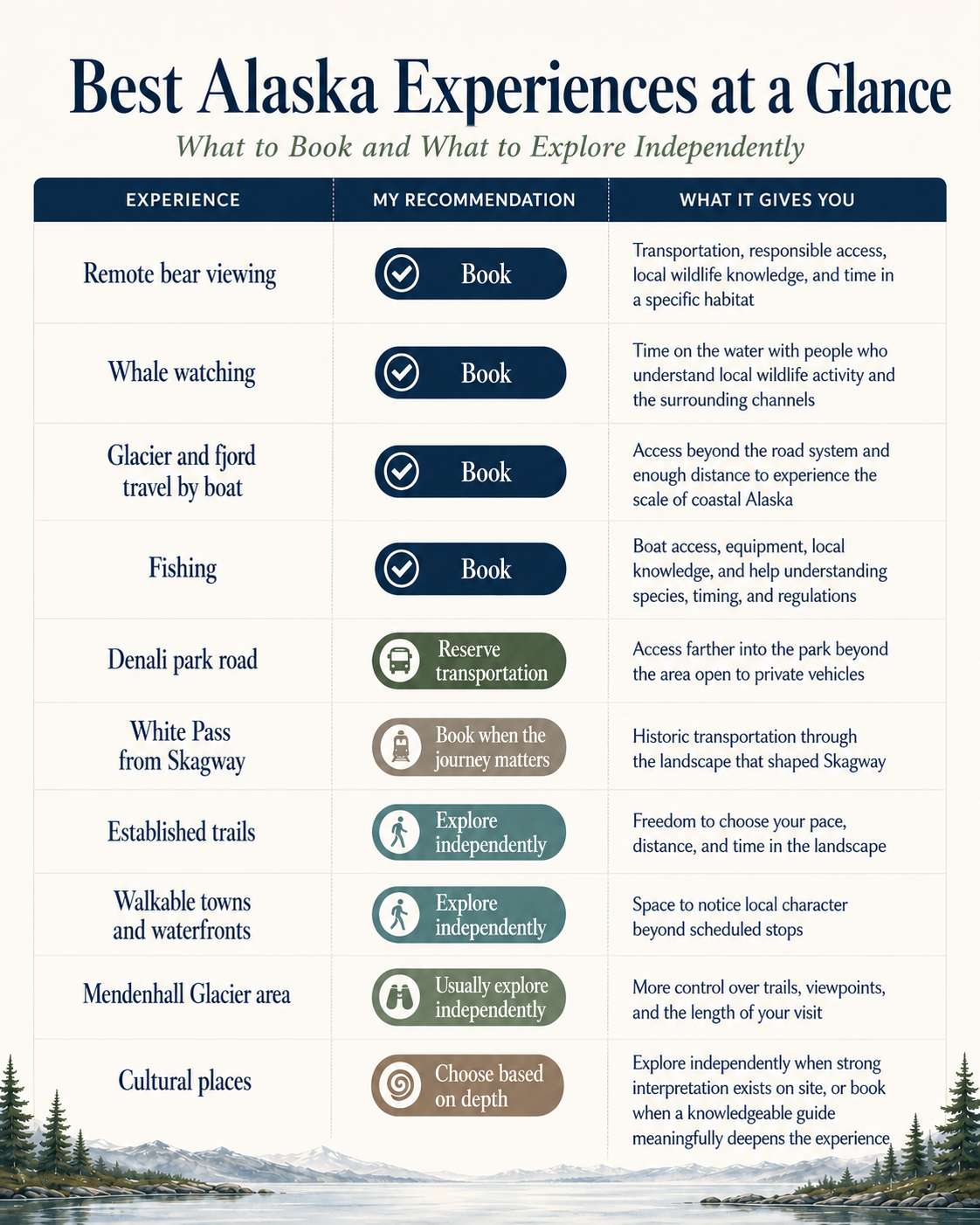
Book remote bear viewing when bears are one of the reasons you are coming
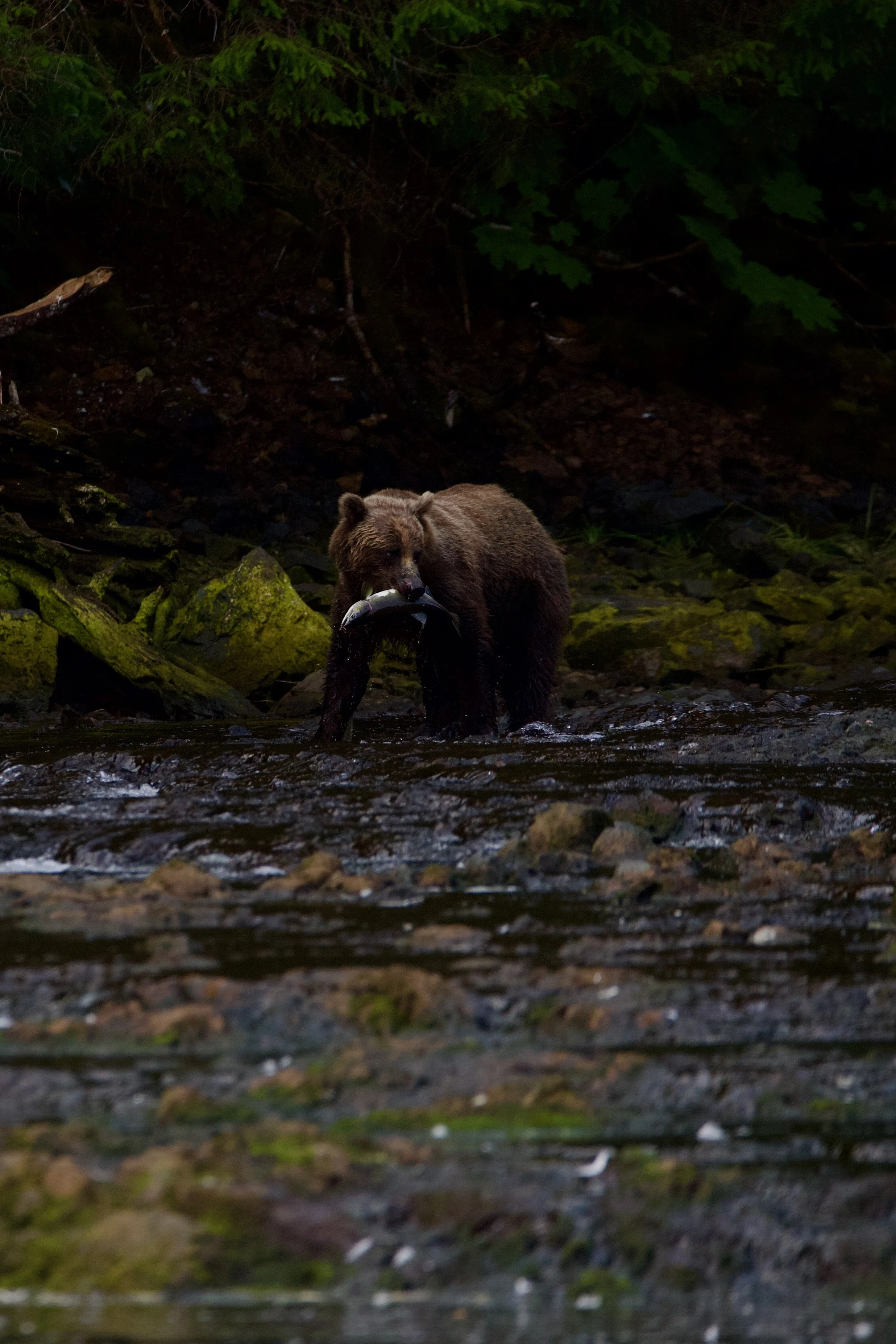
Remote bear viewing is one of the clearest examples of an experience that becomes possible because you booked it.
When I traveled from Juneau to Waterfall Creek with Wild Coast Excursions, the day began with a floatplane flight over Southeast Alaska and continued in a landscape I could not have reached on my own. The value was not simply the flight or the appearance of a bear. It was the combination of access, time, local judgment, and the careful way we moved through a place where the bears remain wild.
A responsible bear viewing guide is paying attention to the animals, the terrain, the weather, and the group. You are entering the bears' habitat rather than asking wildlife to perform on demand.
If seeing bears in the wild is near the top of your Alaska list, I would treat this as an anchor experience. Choose the location and operator with care and give the day enough room to be shaped by the place itself.
The Alaska Edit decision: Book this when experiencing the habitat is as important to you as seeing the bear.
Read my firsthand account of brown bear viewing at Waterfall Creek
Book whale watching for the experience on the water as much as the whales
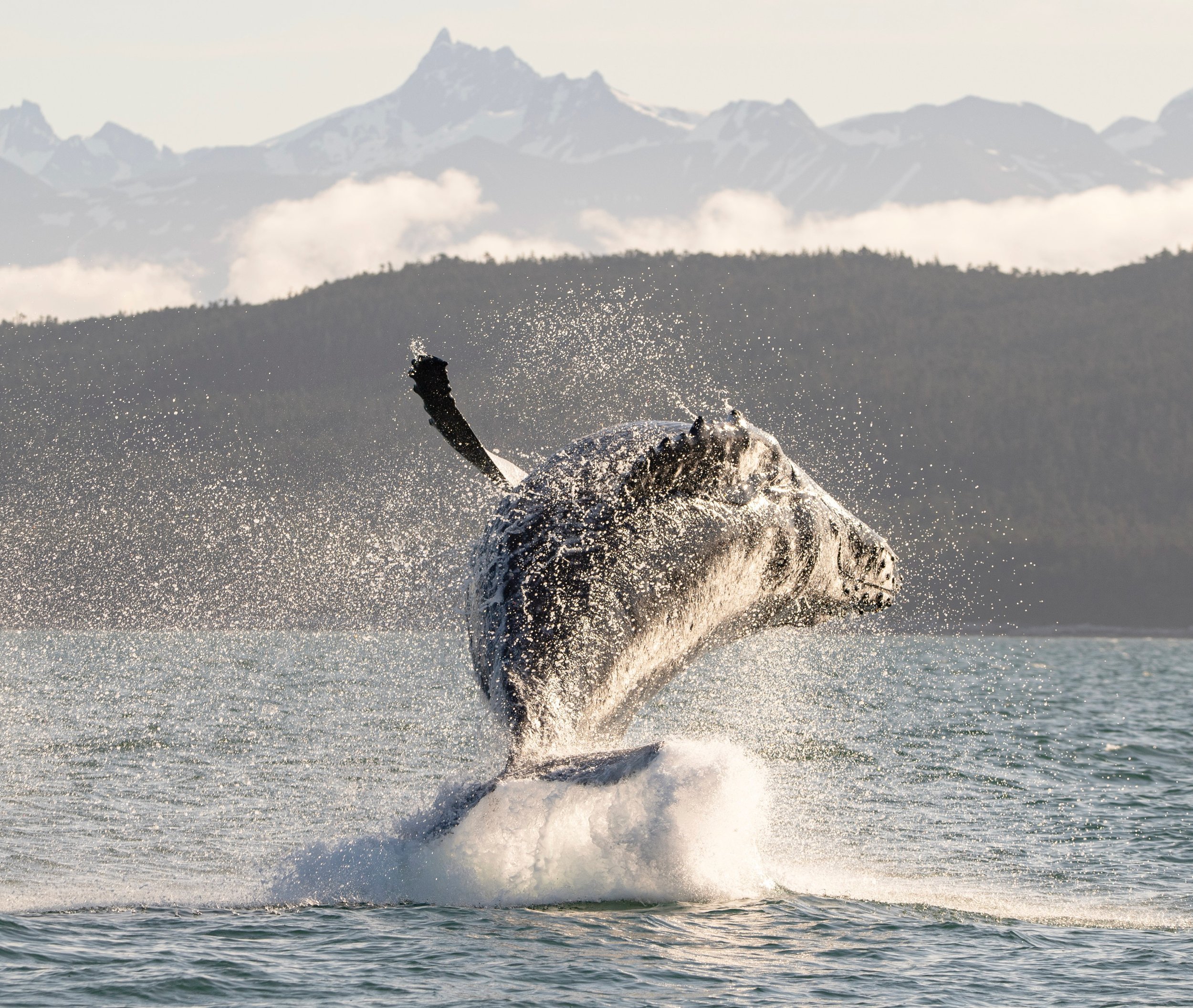
A whale watching trip does something more valuable than promise a sighting. It puts you onto the water with people who understand the channels, recent wildlife activity, vessel traffic, weather, and the behavior of the animals you may encounter.
I have spent many days watching humpback whales around Juneau, and the part I return to is larger than the moment a whale surfaces. It is moving through Southeast Alaska by boat, seeing mountains rise directly from the water, watching seabirds and sea lions, and waiting for the landscape to reveal what is there.
Before choosing a trip, decide what you want the day to feel like.
If your goal is a strong first introduction to humpback whales, a traditional whale watching excursion may be exactly right. If photography matters, boat layout, passenger count, and access to the rail become more important. If you love boating itself, look for a smaller or longer trip where the journey through Southeast Alaska is part of the experience.
Wildlife behavior cannot be ordered from a menu. A good whale watching trip gives you time and access while leaving wildlife enough room to remain wild.
The Alaska Edit decision: Book whale watching when marine wildlife is a priority, then choose the boat and trip length based on the experience you want rather than the longest list of possible sightings.
Book the boat when the glacier lies beyond the road
Some glaciers can be reached from a road or trail. Others belong to entire marine landscapes that only come into focus from the water.
Glacier Bay changed my understanding of this. I spent six days traveling through the park by private boat, sleeping in remote coves and moving between glaciers, wildlife, changing weather, and long stretches of open water. It was not simply a closer view of a glacier. Traveling by boat changed the scale of the experience. We were living inside the landscape rather than visiting a single viewpoint.
Most travelers will enter Glacier Bay differently, perhaps aboard the park day boat from Gustavus or as part of a larger voyage. The principle remains the same. In a place defined by water, the boat is not simply transportation. It is how the landscape becomes accessible.
The same is true of a day cruise into Tracy Arm or Endicott Arm from Juneau, or a longer wildlife and glacier cruise from Seward into Kenai Fjords. These journeys move beyond the road system into fjords, tidewater ice, waterfalls, and marine habitat.
When the fjord itself is the experience, give it the day.
The Alaska Edit decision: Spend here when you want to enter a glacier landscape rather than simply see a glacier in the distance.
Read what six days in Glacier Bay by private boat actually felt like
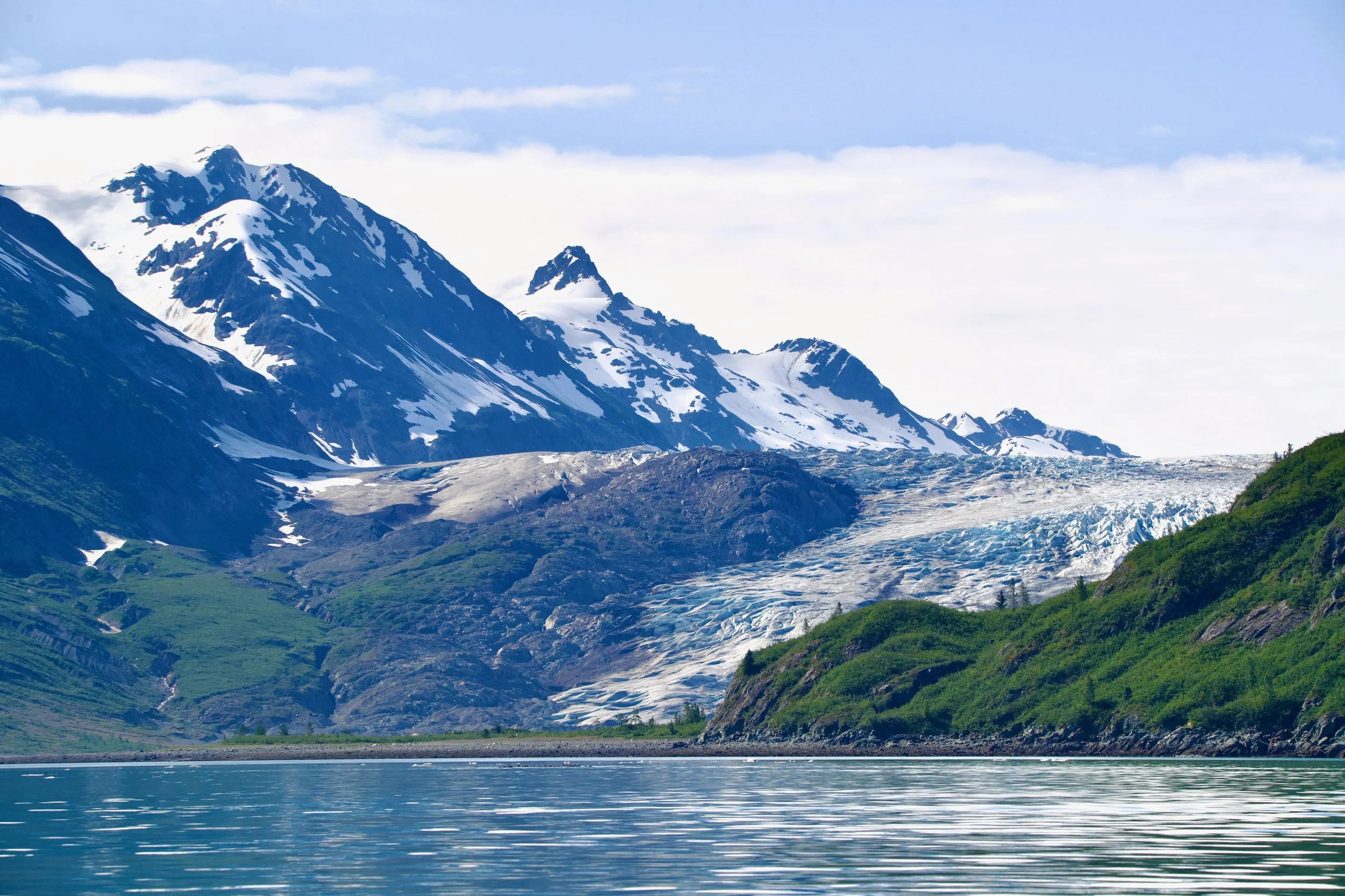
In front of Reid Glacier (in the back of Glacier Bay)
Book fishing when you want to understand Alaska through the water
Fishing can be one of the most immersive ways to experience coastal Alaska.
The day begins with tides, weather, season, and species rather than a fixed sightseeing route. You may travel past islands and shorelines you would never otherwise see, then begin to understand how closely life here is connected to salmon, halibut, rockfish, boats, and changing conditions on the water.
A good charter provides far more than a fishing rod. It brings together the boat, equipment, local knowledge, regulations, and hundreds of small decisions that shape the day. A good captain and deckhand are reading the water and helping you understand not only how to fish, but where you are.
If fishing is one of the central reasons for your trip, I would give it meaningful time rather than squeezing a short charter into an already crowded itinerary. If you are new to fishing, look for people who welcome beginners and treat the setting as part of the experience.
The Alaska Edit decision: Book fishing when you want the water, the place, and the practice of fishing to be the experience, not simply the catch.
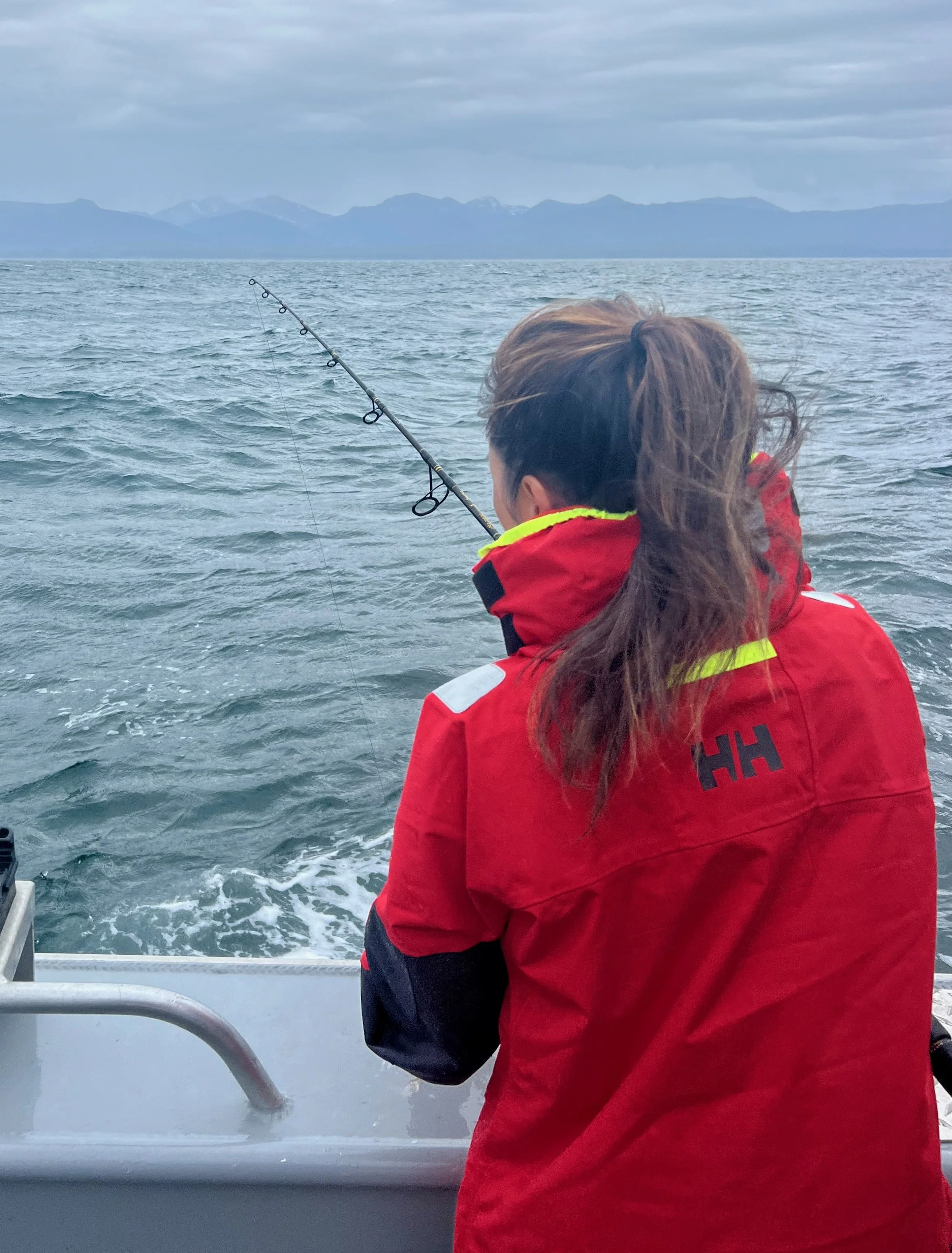
I was fishing in the middle of Icy Strait for halibut, the weather wasn’t the best that day but a memorable day nonetheless
Book transportation when the journey explains the destination
Some of Alaska's most meaningful transportation is not merely a way to get somewhere. Sometimes the journey helps the destination make sense.
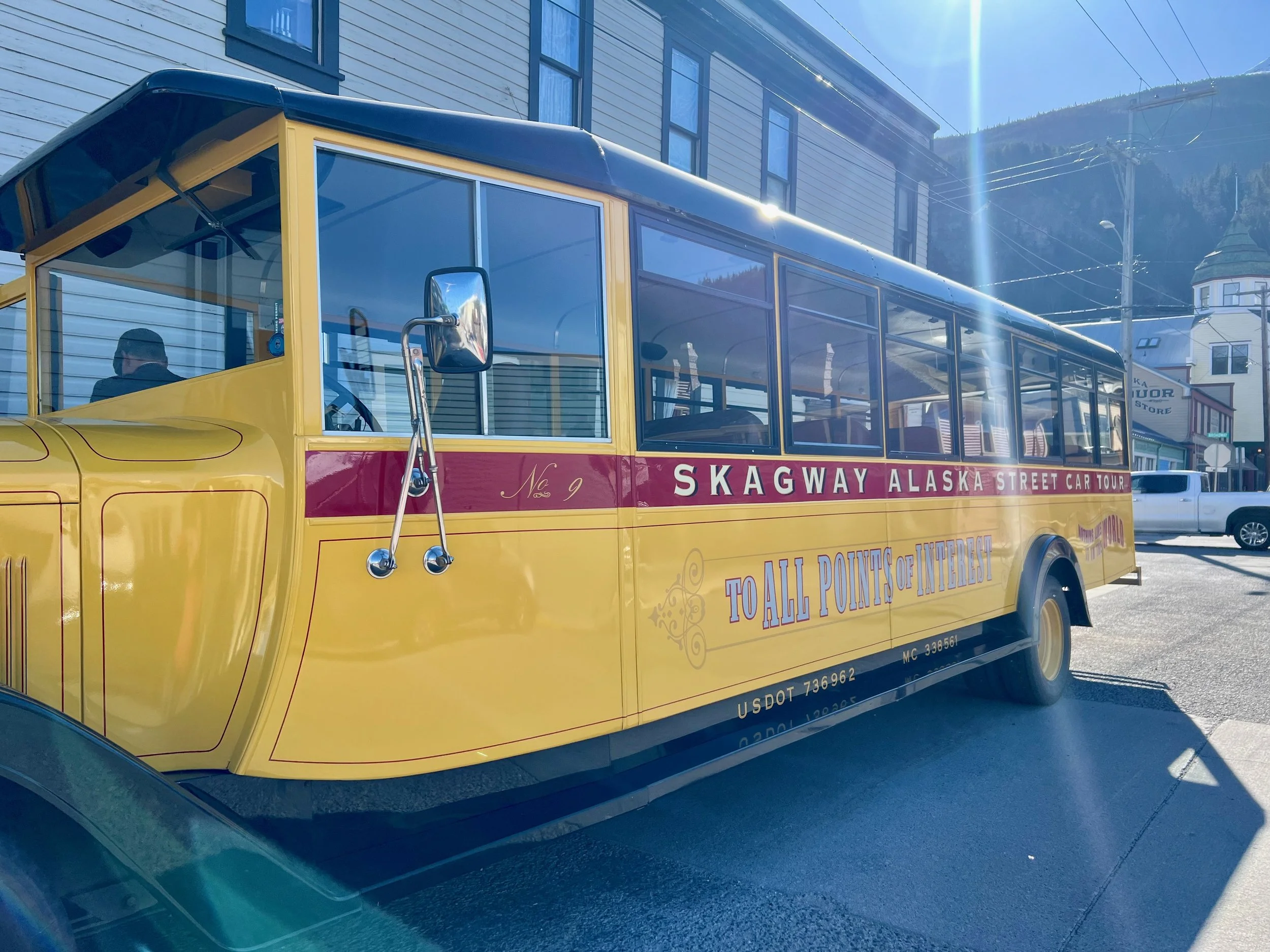
In Skagway, the White Pass & Yukon Route climbs from near sea level into the coastal mountains along a corridor shaped by the Klondike Gold Rush. Riding the railway brings the town's history and surrounding terrain together. A Yukon road tour offers a different experience, with more stops, varied viewpoints, and greater flexibility. The better choice depends on whether you value the atmosphere of the train or the freedom of the road.
In Denali, transportation serves a more practical purpose. The park road is one of the primary ways visitors move beyond the entrance area and into the scale of the park. How far visitors can travel can change with road conditions and park operations, so check current National Park Service guidance when planning your trip.
The Alaska Edit decision: Book the White Pass when you want to understand Skagway through the mountain journey. Reserve Denali transportation because access deeper into the park should be one of your first planning decisions.
Explore Alaska's established trails independently
Hiking is where I would protect some freedom.
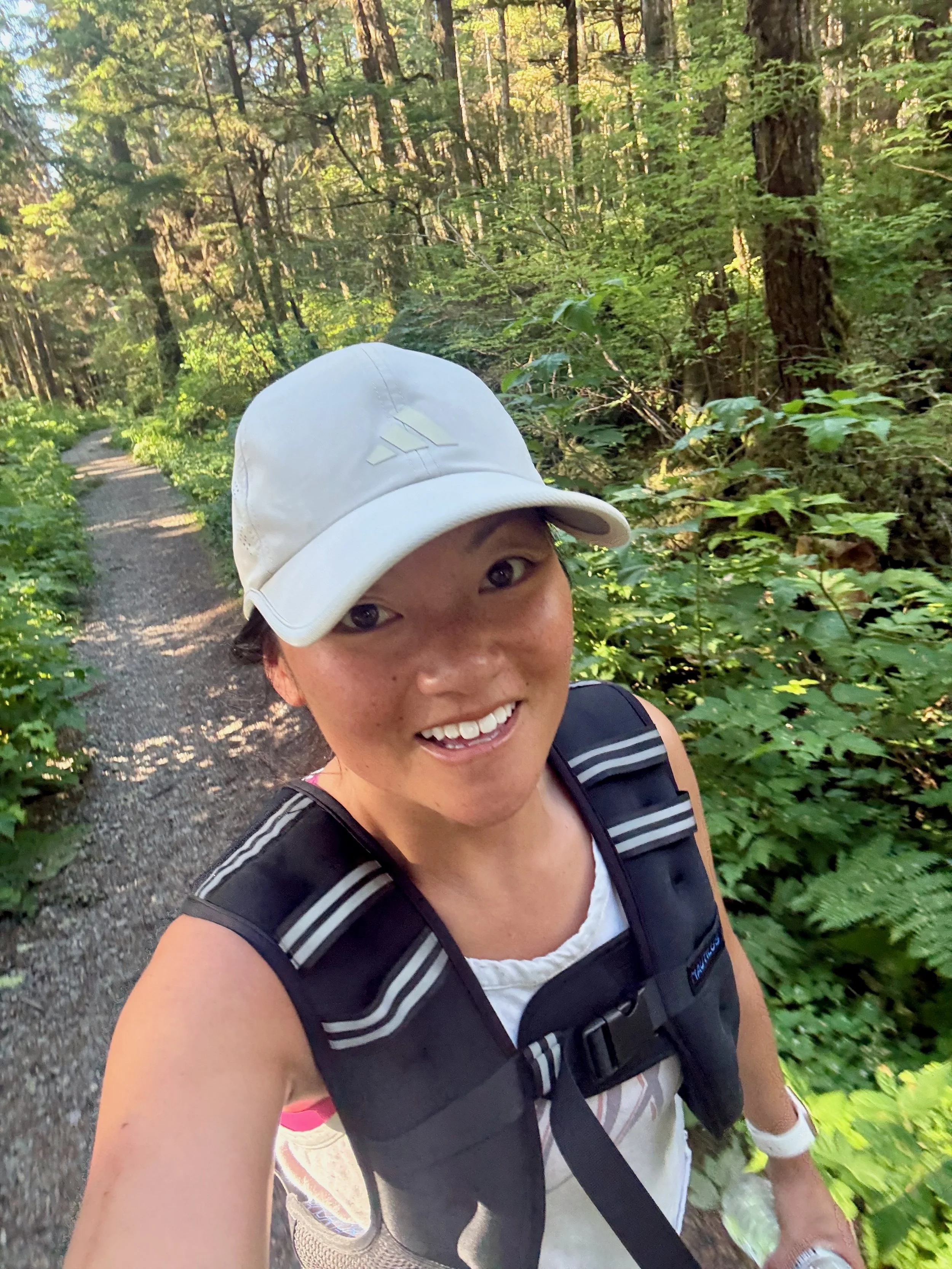
Many Alaska trails are publicly accessible and do not require a guide. The value of exploring independently is not simply that it costs less. It is being able to choose the trail that fits your energy, follow the weather, stop for photographs, and remain somewhere longer when the day begins to unfold.
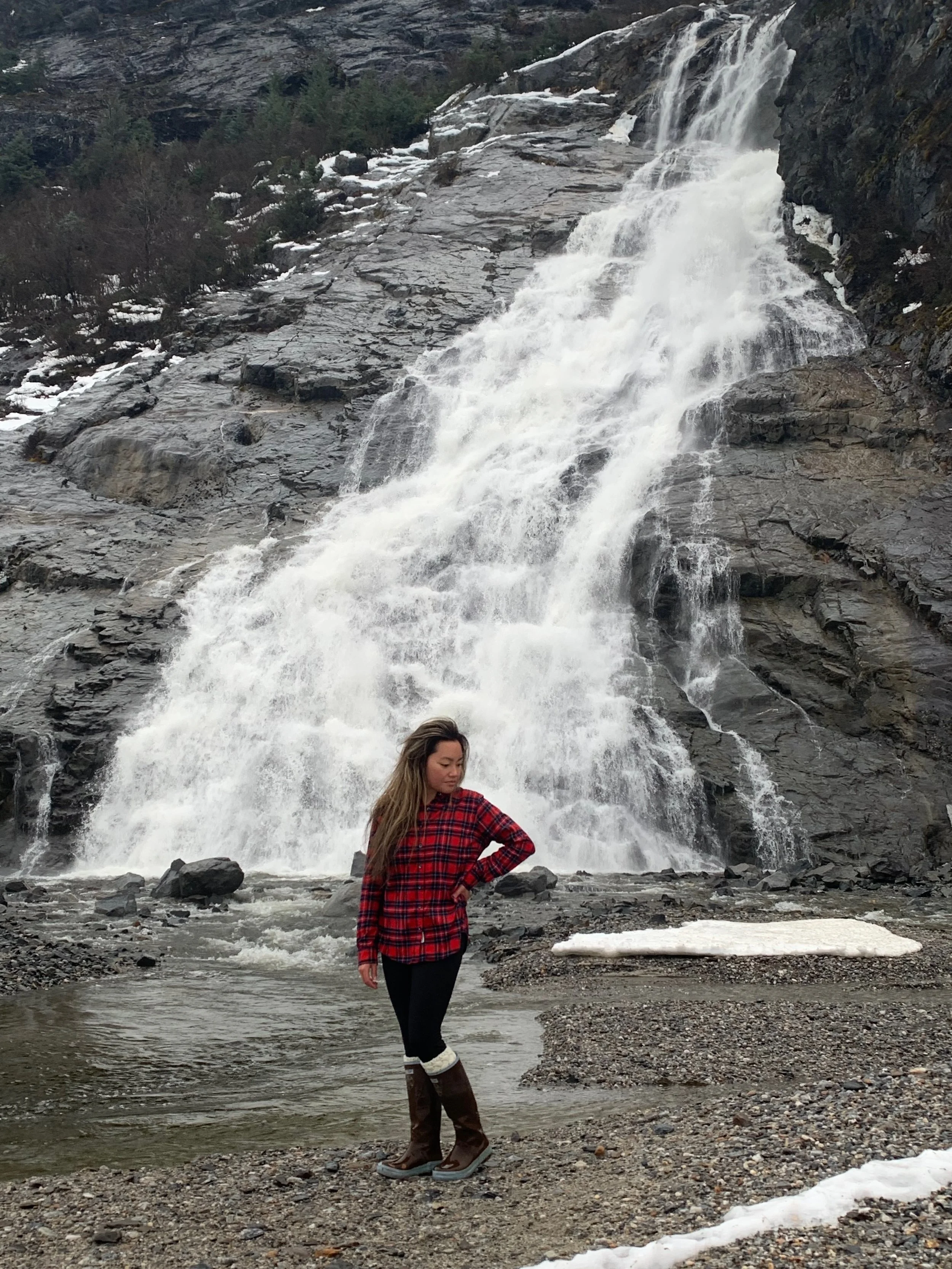
In Juneau, that might mean an easy walk to Nugget Falls, time around Auke Lake, a longer route near Mendenhall Glacier, or a climb on Mount Roberts when the views are open. These are very different experiences, but all of them benefit from choosing according to the day rather than treating hiking as one more reservation.
Independent does not mean unprepared. Check current trail conditions, understand the terrain, carry appropriate layers, and know how to travel responsibly in wildlife country. Choose a guide when the route requires glacier travel, technical equipment, remote navigation, or expertise you do not have.
The Alaska Edit decision: Explore established trails independently when your experience and conditions support it. Bring in expertise when the terrain changes what the day requires.
Visit Mendenhall Glacier independently when time allows
Mendenhall Glacier is one of Juneau's most recognized landscapes, but you do not necessarily need a guided tour to experience it well.
Once you have arranged transportation, the visitor area, viewpoints, Nugget Falls, and nearby trails can be explored independently. Going on your own gives you greater control over how long you stay and which parts of the area receive your attention. You can make the visit a short introduction or allow it to become a longer walking day.
A combination experience can still make sense when you have one day in Juneau and want to pair whale watching with Mendenhall Glacier without coordinating separate transportation. In that case, what you are buying is convenience and a well organized day.
That is useful. It is simply a different kind of value than paying for access to somewhere you could not otherwise reach.
The Alaska Edit decision: Arrange Mendenhall independently when time and flexibility matter. Choose a combination experience when simplified transportation protects the rest of your day.
Leave room for Alaska's towns, waterfronts, and cultural places
An Alaska itinerary can become so focused on reaching the next dramatic landscape that towns begin to feel like staging areas.
I think that misses something important.
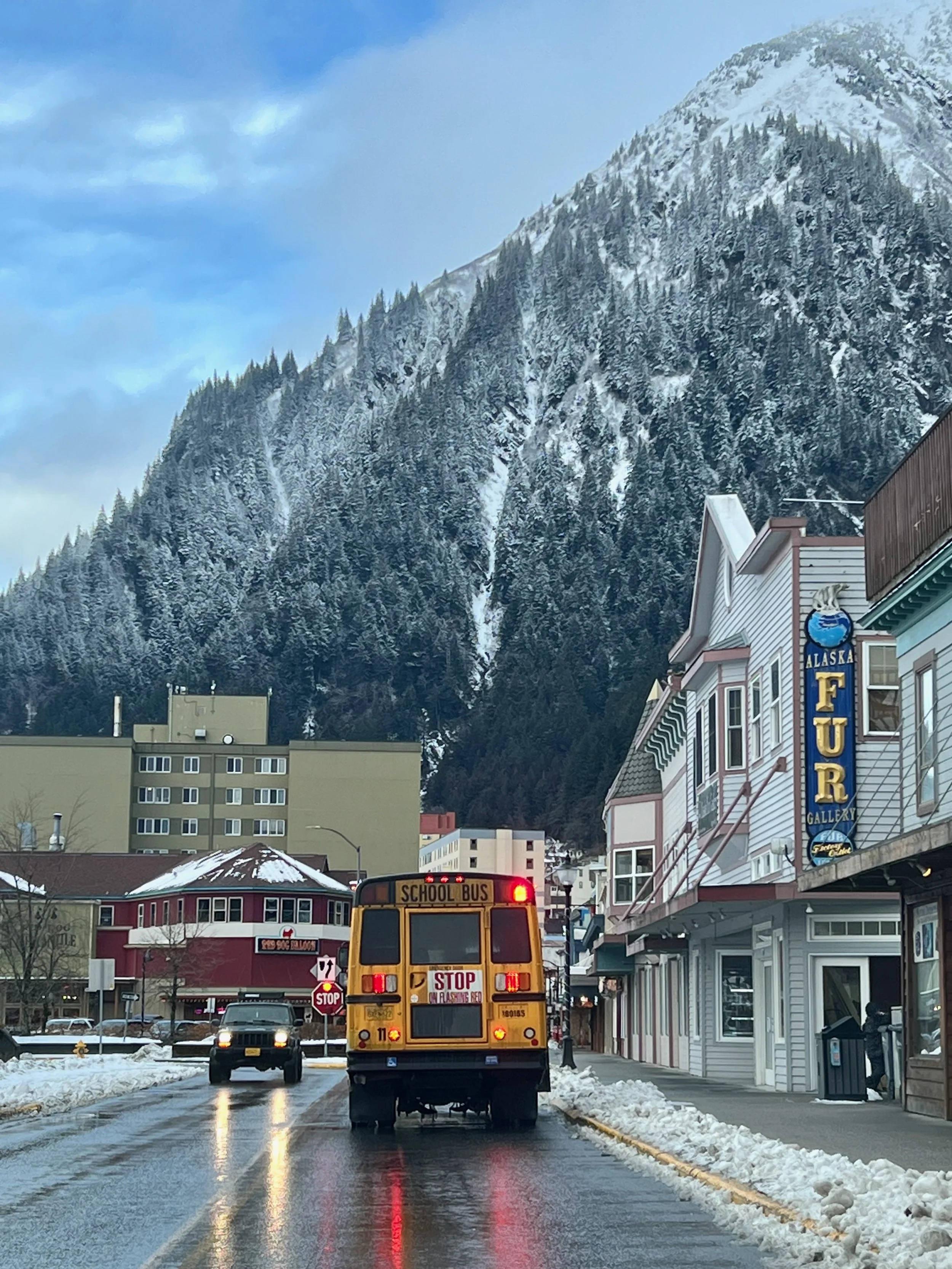
Juneau, Ketchikan, Skagway, and Sitka can all be explored meaningfully on foot. Their waterfronts, working harbors, museums, galleries, historic places, and local businesses reveal how people live beside the landscapes visitors have come to see.
Sitka especially rewards this kind of time. A small boat wildlife trip can take you onto the outer coast, then the rest of the day can remain grounded in the town itself. Walk the waterfront and Totem Trail. Spend time with the cultural and historic places that give Sitka its depth. Let one anchor experience sharpen your attention rather than consume every available hour.
Cultural experiences require a little more judgment. Some places provide thoughtful interpretation and are designed to be visited independently. At other times, a knowledgeable guide can fundamentally change your understanding of what you are seeing. Look for experiences rooted in the people and institutions whose histories and traditions are being shared.
The Alaska Edit decision: Leave at least part of one destination open. A slower walk through a town is not leftover time. It is part of understanding Alaska as a lived place.
The Alaska Edit by destination
Juneau
Book: Whale watching or a full fjord and glacier day on the water.
Explore independently: Mendenhall Glacier, downtown, the waterfront, museums, and established trails when transportation and conditions allow.
Start with my first time guide to Juneau
Ketchikan
Book: Misty Fjords when remote scenery is a priority, or a thoughtful cultural experience when interpretation will deepen the day.
Explore independently: Downtown, Creek Street, museums, galleries, and the waterfront.
Start with my first time guide to Ketchikan
Skagway
Book: The journey beyond town. Choose White Pass for history and atmosphere, or a road tour for more stops and flexibility.
Explore independently: The compact historic center and nearby National Park Service sites.
Start with my first time guide to Skagway
Sitka
Book: A small boat wildlife experience if the outer coast and marine wildlife are priorities.
Explore independently: The waterfront, cultural sites, Totem Trail, downtown, and the rhythm of the town itself.
Use my thoughtful two day Sitka itinerary
Denali
Reserve first: Park transportation that allows you to travel beyond the entrance area.
Explore independently: The visitor center area, established trails, and a slower arrival or departure day near the park entrance.
Start with my first time guide to Denali
How many paid experiences do you actually need?
For a trip of seven to ten days, two or three significant paid experiences are often enough.
A balanced first trip might include one wildlife or glacier experience on the water, one rail or park journey that takes you deeper into the landscape, and one experience that reflects something you care about personally, such as fishing, bear viewing, cultural interpretation, or flightseeing.
The remaining days can hold trails, towns, museums, scenic drives, long lunches, and the discoveries you did not know to schedule before you arrived.
Every reservation claims time and attention. Choose the experiences that meaningfully expand what you can see, understand, or reach, then give the rest of the itinerary some air.
Frequently asked questions
Which Alaska experiences should I book in advance?
Prioritize the experiences that define your trip or have limited capacity. Remote bear viewing, small boat wildlife trips, fishing charters, Denali park transportation, scenic rail journeys, flightseeing, and longer glacier or fjord cruises are all experiences I would consider early.
Availability varies by destination and season, so make your most important experience the first decision rather than filling the calendar in chronological order.
Can I experience Alaska without booking tours?
Absolutely. Alaska has walkable towns, public trails, museums, scenic roads, visitor areas, and landscapes you can explore independently.
For many first trips, however, one well chosen boat, rail, flight, or park experience opens a part of Alaska that the road system cannot.
Is whale watching in Alaska worth booking?
Yes, when marine wildlife and time on the water are priorities.
Think about the experience you want before comparing companies. Boat size, passenger count, trip length, photography access, and how much you enjoy boating can matter as much as a long list of possible wildlife sightings.
Do I need a tour to visit Mendenhall Glacier?
Not necessarily. You need a transportation plan, but once you arrive, the main visitor area and several trails can be explored independently.
A combination experience becomes more useful when you have limited time and want to pair Mendenhall Glacier with another Juneau priority.
Is a guide worth it for hiking in Alaska?
A guide is valuable when the route involves glacier travel, technical terrain, remote navigation, specialized equipment, or conditions beyond your experience.
Many established public trails are wonderful to explore independently with the right preparation and current information.
A more thoughtful way to experience Alaska
The best Alaska itinerary is not the one with the largest number of famous activities.
It is the one that spends deliberately.
Book the boat when the water is the way in. Reserve the guide when knowledge, safety, or equipment changes what is possible. Pay for the journey when the journey itself helps you understand the place.
Then leave some room.
Walk the trail at your own pace. Stay beside the water when the light changes. Follow a street past the point where most visitors turn back. Give Alaska enough space to become more than the sequence of things you reserved before you arrived.
That balance between access and attention is what I would build the trip around.
Ready to plan the rest of your Alaska trip?
Use the same approach for the rest of your planning, from when to visit and how much time to allow to what deserves a reservation before you arrive.