Planning an Alaska Trip in 2027: What to Decide Now and What Can Wait
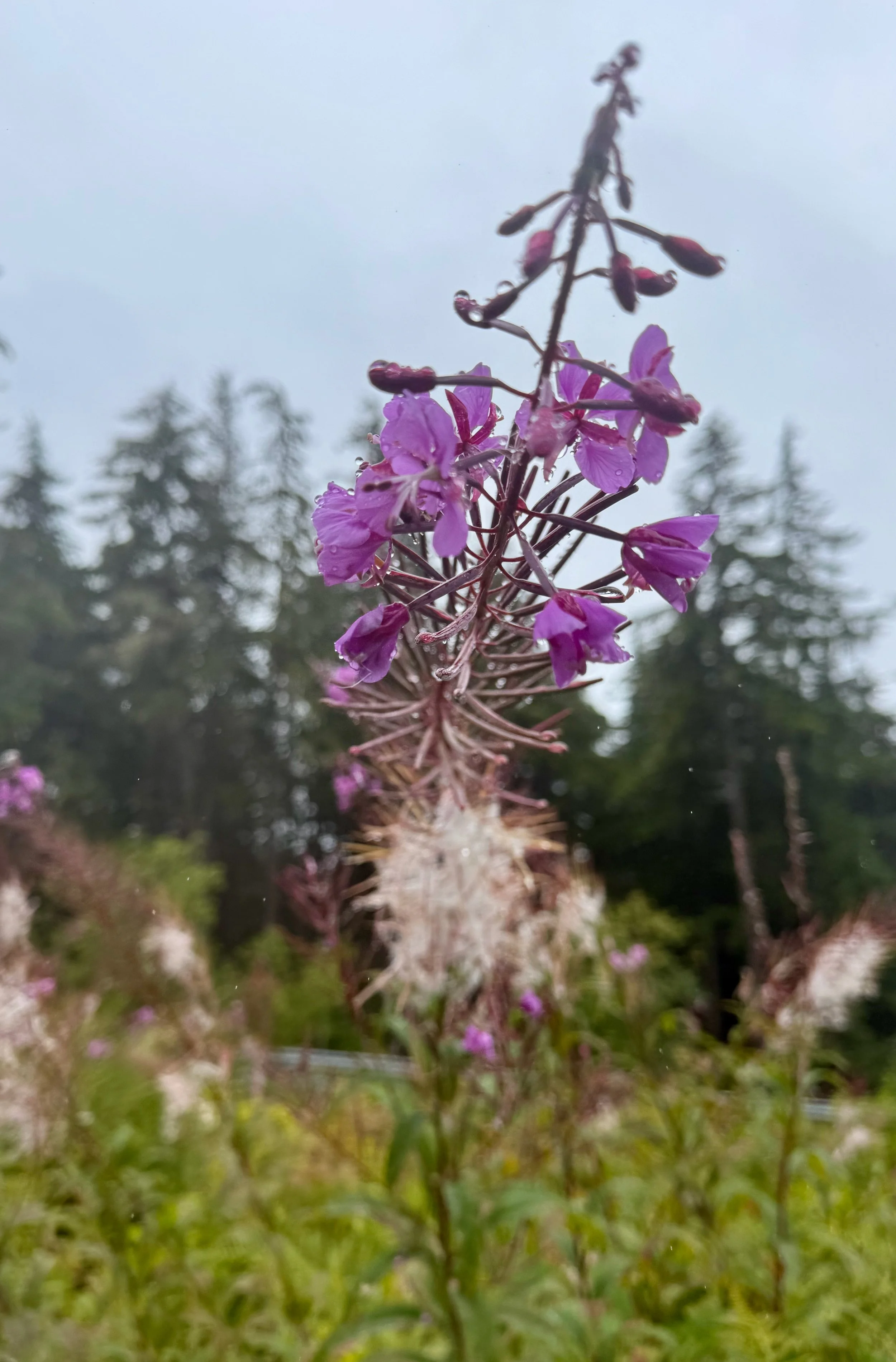
By late August, Alaska begins to change at the edges. The days are still long, but not quite as long. Fireweed has gone to seed, the evening light arrives differently, and there is a growing sense that summer is beginning to loosen its grip.
At the same time, another Alaska season is quietly taking shape. Travelers are beginning to think about next summer, which makes this a surprisingly useful moment to start planning a 2027 trip.
You do not need to choose every hotel, reserve every excursion, or build a day by day itinerary before fall arrives. In fact, I would resist the urge to plan that way. What is worth doing now is identifying the handful of decisions that will shape almost everything that comes afterward.
The question I would begin with is simple:
What are the two or three experiences you would be genuinely disappointed to miss?
Start with what matters most to you
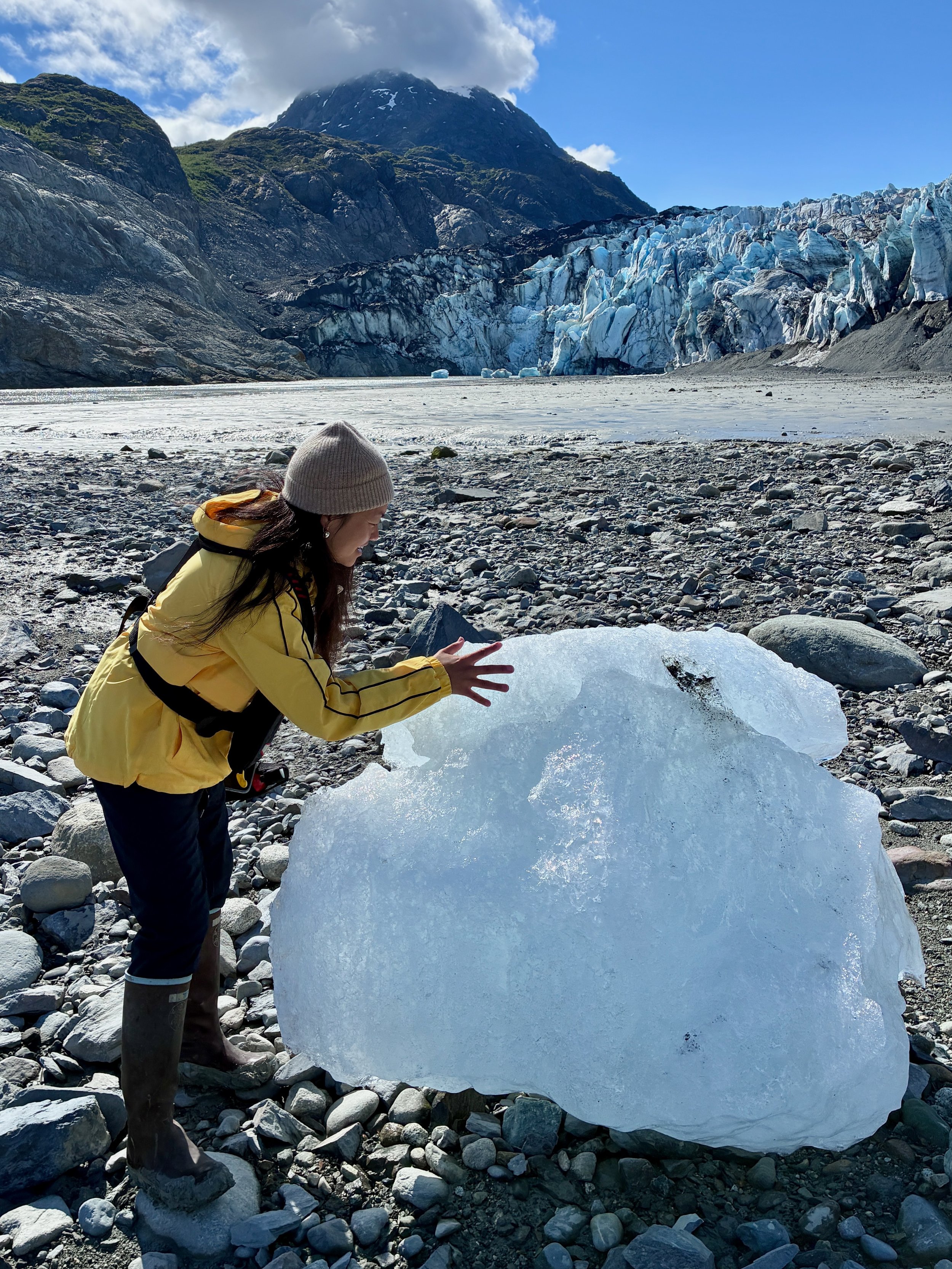
Alaska is too large and too varied to plan well by simply assembling a list of famous places. A trip built around Glacier Bay will look different from one centered on Denali, just as a week spent moving through Southeast Alaska will feel fundamentally different from a road trip through Southcentral Alaska.
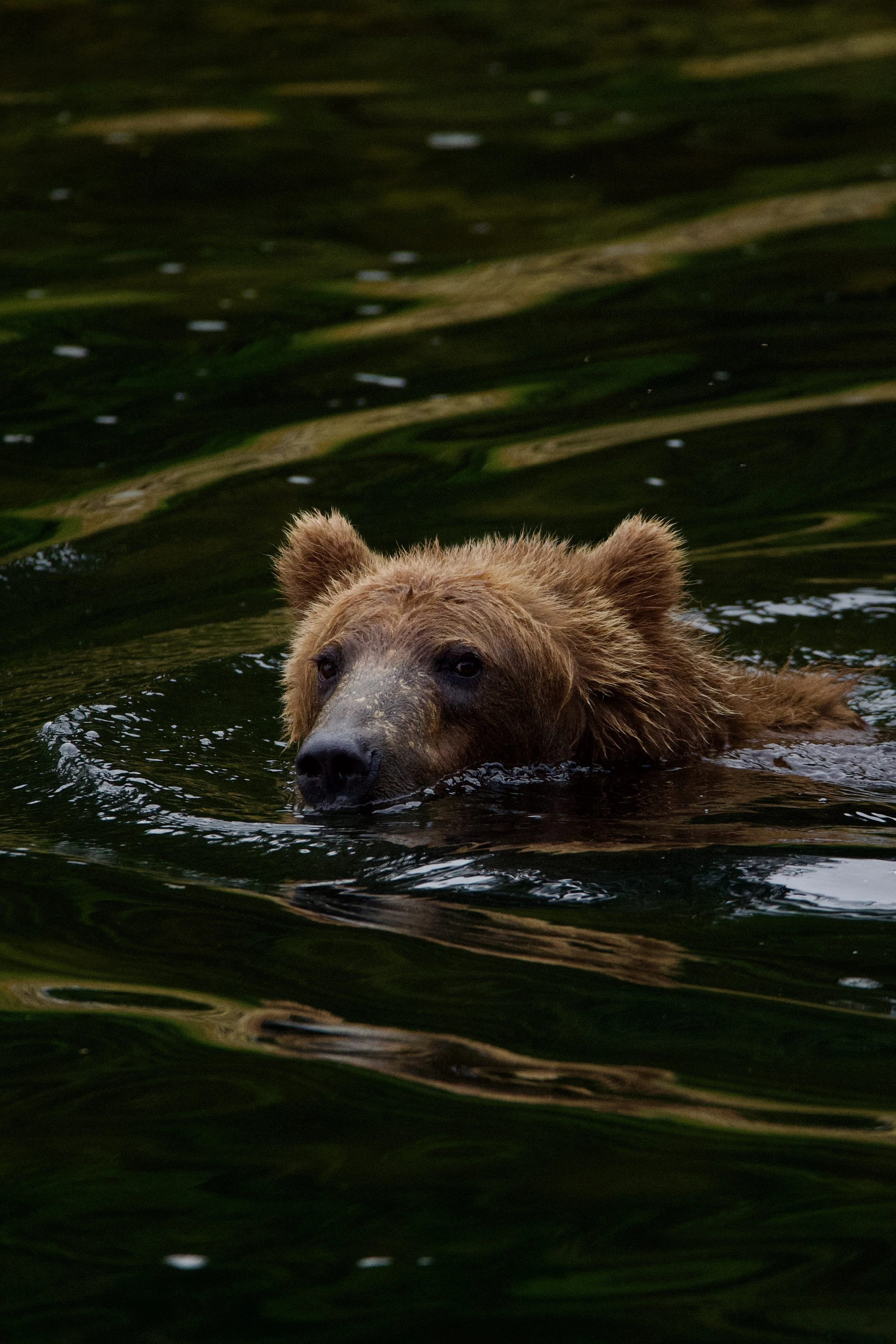
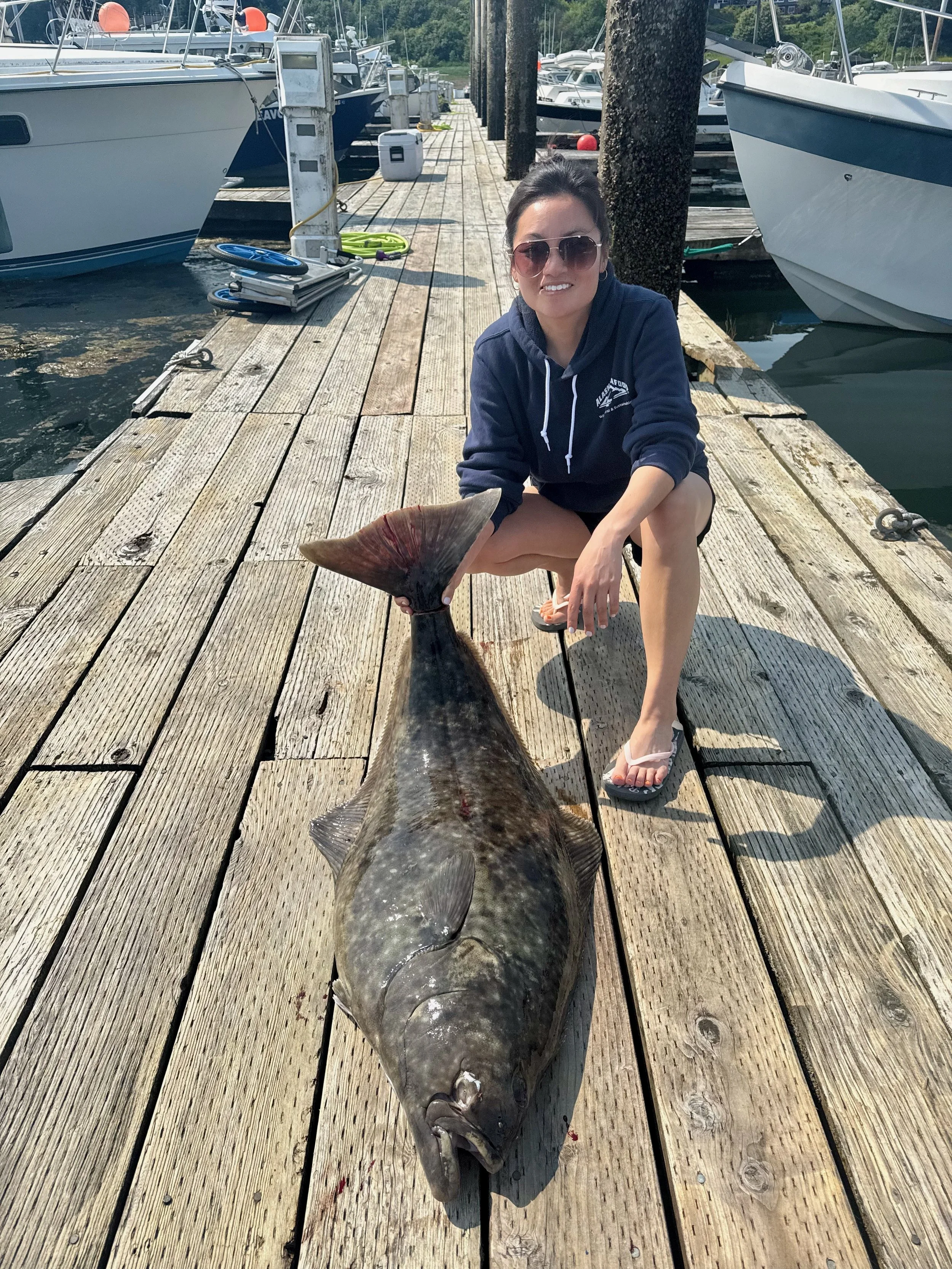
The same is true of the experiences themselves. Someone who has dreamed for years about seeing brown bears in the wild may need to build the trip differently from someone who primarily wants to hike, fish, spend time on the water, or settle into a few places slowly.
That is why I like to identify the most important experiences before choosing every destination. In Alaska, the experience often determines the geography.
Remote bear viewing is a good example. Depending on where you go, it may require a flight, a boat, a particular overnight base, or enough travel time that it meaningfully affects the itinerary. Glacier Bay can require similar planning, and the same may be true of certain fishing trips, flightseeing experiences, remote lodges, or longer boat journeys.
None of this means you need to book everything immediately. It simply means you should understand early which experiences have the power to shape the trip around them.
Decide the broad geography before the details
Once you know what matters most, the rest of the planning becomes easier because you can begin making decisions in the right order.
One of the first is deciding which part of Alaska you actually want to experience.
This sounds obvious until you look at a map. Juneau, Anchorage, Denali, Glacier Bay, Seward, Homer, and Fairbanks can all appear reasonably close together on a screen. In practice, they belong to very different travel patterns, and moving between them can require considerably more time and coordination than first time visitors expect.
A Southeast Alaska trip might center on Juneau, Sitka, Glacier Bay, and other coastal communities, with transportation largely happening by air or water. A Southcentral itinerary may revolve around Anchorage, the Kenai Peninsula, Seward, Homer, or Prince William Sound. A trip farther north may make Denali or Fairbanks the anchor. A cruise creates another structure entirely.
It is possible to combine regions, and sometimes it makes perfect sense to do so. The important question is whether the transportation involved adds something meaningful to the trip or simply consumes time that could have been spent experiencing a place more deeply.
For a seven or ten day trip, I would usually rather spend meaningful time in two or three places than spend half the vacation moving between five.
Pay attention to the decisions that are difficult to change later
This is the piece of advice I wish that folks would understand during their planning phase - and it’s where early planning becomes genuinely useful.
Some decisions are flexible. Others quietly begin locking the rest of the trip into place.
Flights are an obvious example, but lodging can matter just as much, particularly in smaller destinations where there is naturally less inventory. Transportation also becomes important if your itinerary depends on ferries, trains, rental cars, small aircraft, or boat connections.
Then there are the experiences that require specialized access.
If something is one of the primary reasons you are coming to Alaska, I would spend some time now understanding where it operates, how long it takes, what kind of transportation it requires, and what other decisions it creates around it.
Rather than asking only, “Should I book this now?” I think a more useful question is:
If I choose this experience, what else does it determine?
A remote bear viewing trip may influence where you stay the night before. A visit to Glacier Bay can shape several days of an itinerary. A rental car might dramatically expand what you can explore independently. Staying two nights instead of one may turn a destination from a quick stop into one of the most memorable parts of the trip.
That is the kind of planning worth doing early because one good decision often clarifies several others.
Think about what an experience gives you access to
Another distinction I find useful is whether an experience provides access that would otherwise be difficult to achieve independently.
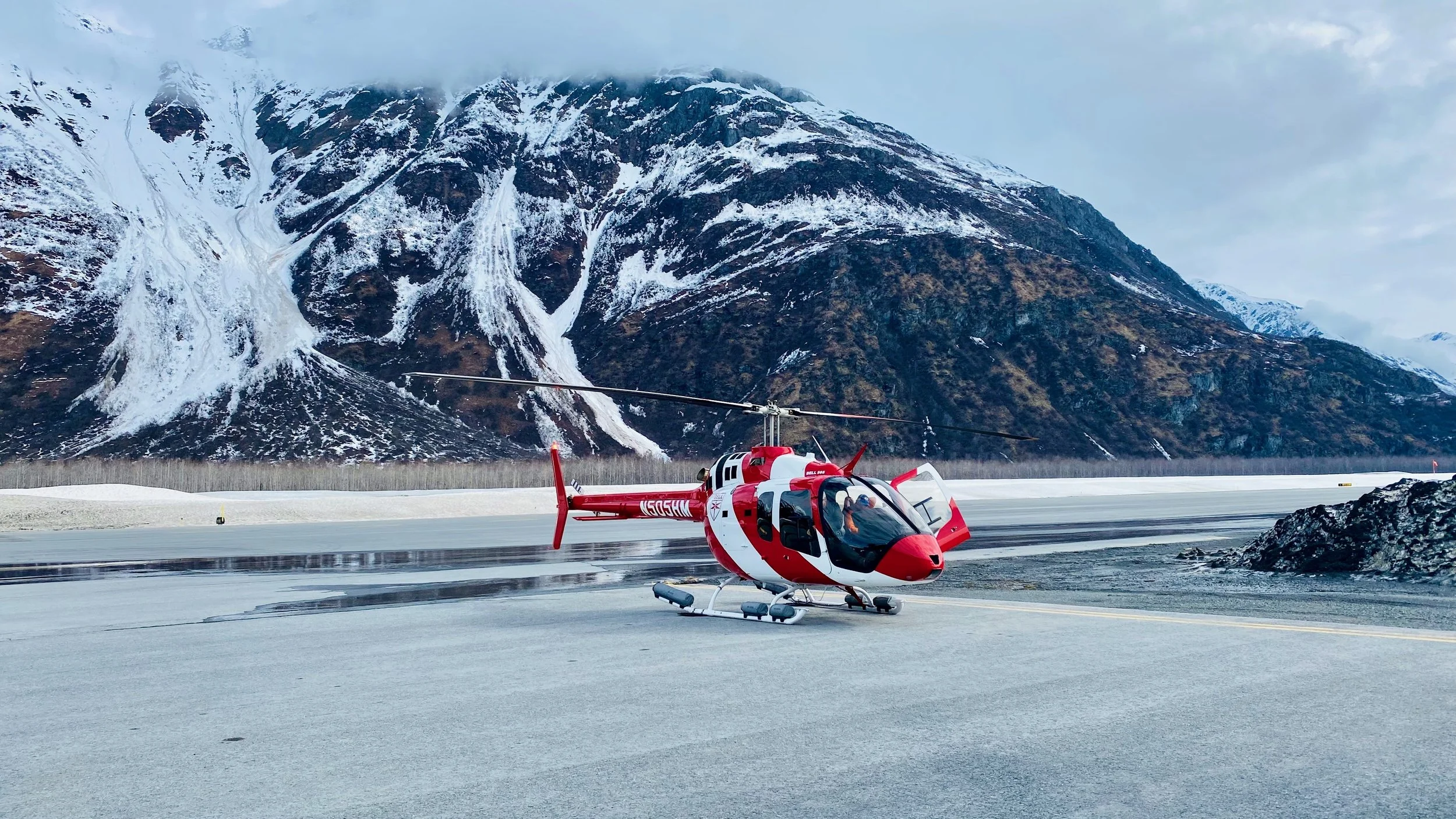
A boat can take you into a fjord or across water with no road beside it. A small aircraft can make a remote landscape reachable within a single day. A guide may provide equipment, local knowledge, wildlife awareness, or safe access to terrain that you would not reasonably navigate on your own.
This is one of the reasons I do not think price, by itself, is particularly useful when evaluating Alaska experiences. I am more interested in what the experience makes possible.
If the answer is access to something that matters deeply to you, whether that is wildlife, landscape, water, knowledge, or a remote part of the state, it deserves serious consideration when you are shaping the trip.
If the same experience can be had easily on your own, that is a different decision.
That distinction can save both money and itinerary space.
Plenty of the smaller decisions can wait
The reassuring part is that you do not need to plan every detail now, and in many cases I would encourage you not to.
You probably do not need restaurant reservations for next July. You do not need to know exactly which trail you will hike on a particular afternoon, and you certainly do not need every open hour assigned to something that can be booked.
Some of the best Alaska experiences happen because you have enough time available to respond to what is happening around you.
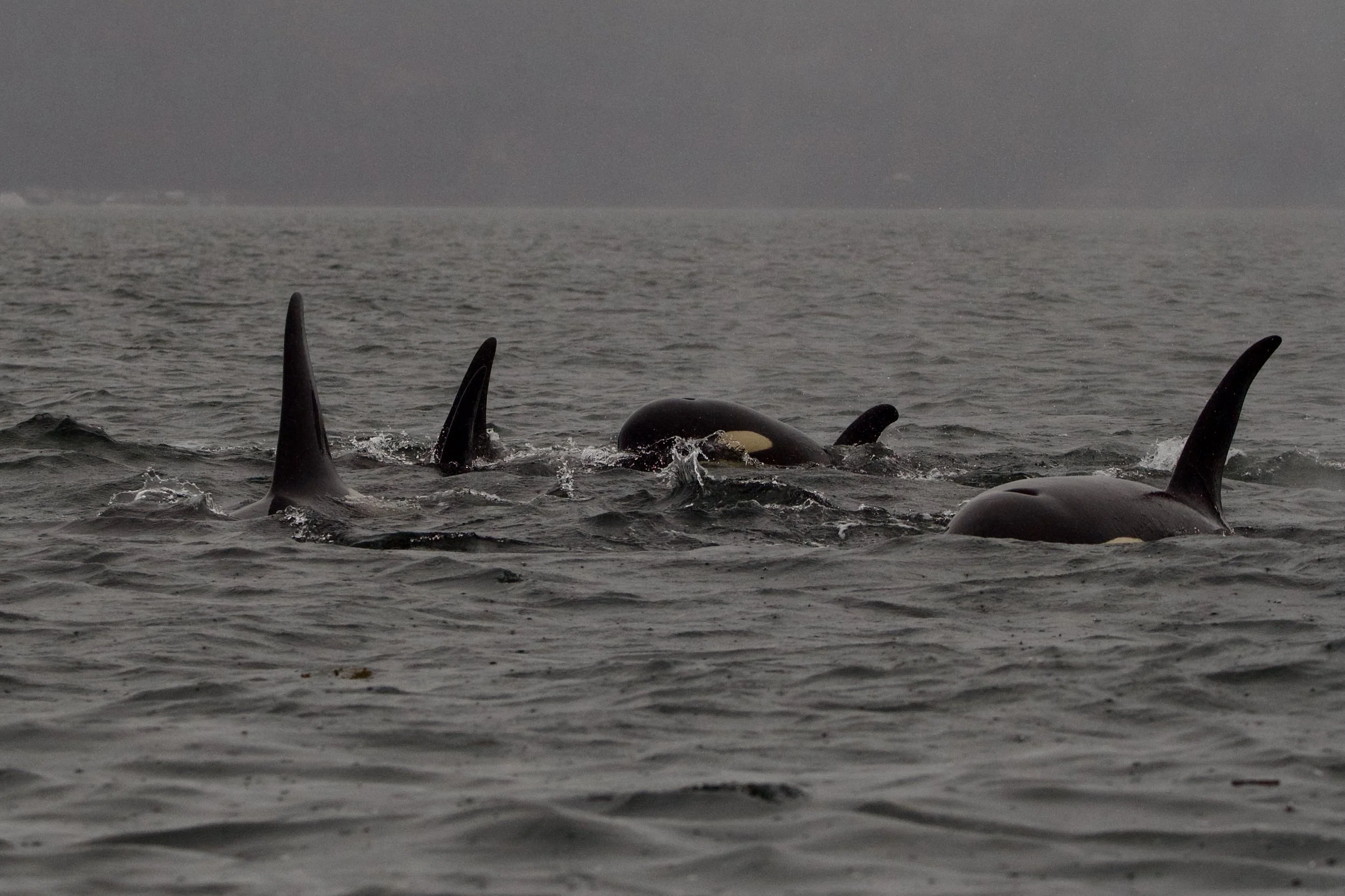
A whale appears somewhere you were not expecting it. The clouds lift from a mountain that had been hidden all morning. The weather turns beautiful late in the evening, or you find a trail, beach, harbor, or stretch of road that deserves another hour.
Those moments are difficult to plan, but they are not accidental in the larger sense. They become possible because you left room for them. Exposure to nature and the outdoors really matters in Alaska (the more time you leave for Alaska to unfold around you, the better).
That is why I would be careful about confusing a full itinerary with a good one.
When people travel a long way to Alaska, there is an understandable desire to maximize the trip. You may not know when you will return, and adding one more excursion or destination can feel like making better use of the time.
But there is a point at which maximizing begins to work against experiencing.
Alaska benefits from a little slack in the schedule. Weather changes, wildlife moves, transportation takes time, and some places become considerably more interesting once you stop watching the clock.
A useful way to begin planning for 2027
At this stage, I would focus on only a few questions.
1) How much time do you actually have?
2) Which part of Alaska interests you most?
3) What are the two or three experiences that would make the trip feel meaningful?
4) What transportation and lodging decisions do those experiences require?
Once you have those answers, you have the framework of the trip.
From there, you can begin researching routes, understanding distances, watching lodging options, and identifying which experiences deserve advance reservations. The restaurants, smaller activities, individual hikes, and open afternoons can come later.
I would also look at the itinerary as it develops and ask one final question: Where have I left some room?
Plan the things that shape the trip
A good Alaska itinerary does not need to include every destination you have heard of or every excursion with hundreds of five star reviews. What it needs is a clear sense of what you came here to experience.
Maybe your trip is primarily about being on the water. Maybe it is about wildlife, hiking, fishing, or seeing landscapes that feel entirely different from home. Maybe you want one extraordinary experience, a comfortable place to stay, and enough unscheduled time to see what happens afterward.
Once you understand that, the rest of the planning becomes far more manageable.
Make the decisions that are difficult to change later. Reserve the experiences that provide access you care about. Understand the geography before you start filling the calendar, and let the smaller decisions wait until they actually need to be made.
Alaska is worth planning carefully, but some of what makes a trip here memorable is what happens after the planning ends.
Continue planning your Alaska trip
If you are still deciding which experiences deserve a place in your itinerary, read The Best Alaska Experiences: What to Book and What to Explore Independently next. It will help you think through which parts of an Alaska trip benefit from advance planning and which are often better left more open.
Once the shape of your trip begins to emerge, you can move into the destination guides for Juneau, Ketchikan, Skagway, Denali, and Sitka, where I go deeper into what each place offers, how to spend your time, and the decisions worth making before you arrive.
The goal is not to plan every hour. It is to make the few decisions that give the rest of the trip room to become something memorable.